Understanding Victorian Hallway Tiles
Victorian hallway tiles offer a seamless blend of elegance and practicality, making them a perennial favorite in interior design. Their rich history and distinctive aesthetic draw homeowners, decorators, and architects alike, seeking to infuse their spaces with a touch of classic sophistication. When exploring options, Victorian hallway tiles provide comprehensive insights into the beauty and durability that these timeless designs can offer to contemporary homes.
What Are Victorian Hallway Tiles?
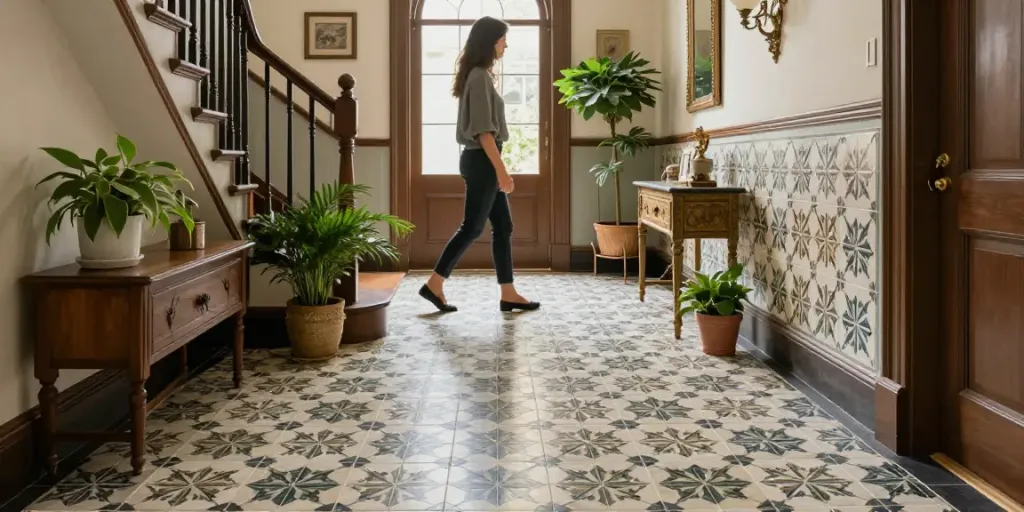
Victorian hallway tiles are decorative ceramic tiles known for their vibrant colors, intricate patterns, and durability. Typically used in hallways, entryways, and other high-traffic areas, these tiles often feature geometric or floral designs characteristic of the Victorian era (1837-1901). They are crafted from materials that are not only visually appealing but also hardy enough to withstand the wear and tear of daily use.
History and Evolution of Victorian Tile Designs
The use of decorative floor tiles can be traced back to ancient civilizations, but Victorian tiles gained significant popularity during the 19th century when advances in manufacturing allowed for mass production. The Victorian era embraced revivalist styles, leading to the eclectic mix of influences seen in Victorian tiles. Early designs often drew inspiration from Gothic, Renaissance, and Moorish styles, blending them into unique patterns that could be used to create bold statements in homes.
As the era progressed, tiles became increasingly customizable, allowing homeowners to express their individual styles. The Victorian tile craze peaked around the 1880s, and many original designs still inspire modern reproductions today. Despite the availability of various flooring options, the authentic Victorian tile remains a sought-after choice for period restorations and new builds alike.
Key Features of Authentic Victorian Tiles
Authentic Victorian tiles are characterized by several key features that set them apart from other tiles:
- Material: Typically made from clay and glazed for durability, Victorian tiles are often thicker than standard ceramic tiles, providing increased strength.
- Design: The tiles boast intricate geometric shapes, floral motifs, and vibrant colors, often arranged in patterns that create stunning visual impact.
- Finish: A combination of matte and glossy finishes allows for diverse applications, ensuring versatility in design.
- Historical Value: Genuine Victorian tiles are considered antiques, with their age contributing to their value and appeal in home design.
Choosing the Right Victorian Hallway Tiles
Selecting the perfect Victorian hallway tiles involves more than simply choosing a color or pattern. It's essential to consider various factors that will influence both the aesthetic and functionality of your space.
Factors to Consider When Selecting Tiles
When choosing Victorian tiles, think about the following:
- Space Size: Larger tiles can make small spaces feel more expansive, while intricate patterns can enhance visual interest in larger areas.
- Color Scheme: Consider the overall color palette of your home to ensure your tiles complement existing decor.
- Foot Traffic: Opt for thicker tiles with a durable finish in high-traffic areas to ensure longevity.
- Installation Type: Be aware of the installation method, whether it’s a DIY project or hiring professionals, as this may impact your tile choice.
Color and Pattern Combinations for Modern Spaces
Victorian tiles are often associated with traditional settings, but they can also enhance modern interiors. Combining classic patterns with contemporary colors can create a striking balance:
- Monochrome Schemes: Black and white tiles can evoke a classic feel while still appearing chic and modern.
- Vibrant Accents: Pairing traditional patterns with bold colors, such as teal or mustard, can make a contemporary statement.
- Mixing Textures: Consider using different tile finishes to add depth and interest to your design.
Durability and Maintenance of Victorian Tiles
One of the appealing aspects of Victorian hallway tiles is their durability. Properly cared for, these tiles can last for generations. Here are some maintenance tips:
- Regular Cleaning: Sweep or vacuum regularly to prevent dirt buildup. Use a damp mop with a pH-neutral cleaner for deeper cleaning.
- Sealing: Periodically seal the grout to prevent staining and moisture infiltration, which can lead to mold growth.
- Avoid Abrasives: Use soft cloths and gentle cleaning solutions to avoid scratching the tile surface.
Incorporating Victorian Hallway Tiles into Your Home
Incorporating Victorian hallway tiles into your interior design can transform the atmosphere of your space from dull to dynamic. Their unique charm can be the centerpiece of your design strategy.
Design Ideas for Hallways and Entryways
Victorian tiles can be introduced into various design concepts:
- Classic Entrances: Create a stunning first impression with a patterned Victorian tile entryway.
- Border Designs: Use Victorian tiles to create borders or accents within a hallway to define the space.
- Contrasting Areas: Use colorful Victorian tiles in neutral spaces to create focal points in your home.
Pairing Victorian Tiles with Modern Decor
Victorian tiles can function beautifully alongside modern decor elements:
- Minimalist Furnishings: Pair tiles with sleek, modern furniture to allow the intricate patterns to stand out.
- Industrial Elements: Complement Victorian tiles with metal fixtures or reclaimed wood for an eclectic mix.
- Artistic Touches: Hang contemporary art to juxtapose with the historical context of the tiles.
DIY Installation Tips for Victorian Flooring
Installing Victorian tiles can be a rewarding DIY project. Here are some tips to ensure a successful installation:
- Prepare the Subfloor: Ensure a clean, level surface before installation. This step is crucial for tile longevity.
- Plan Layout: Dry lay tiles before adhering them to visualize the pattern and minimize mistakes.
- Use Quality Adhesives: Select adhesives designed for the type of tile and surface to ensure a strong bond.
- Grouting: Choose an appropriate grout color that complements your tile choice, and seal it appropriately post-installation.
The Future of Victorian Tiles in Interior Design
Victorian tiles continue to evolve, offering exciting prospects for their integration into modern interiors. Looking ahead, several trends and innovations are set to shape their future use.
Emerging Trends in Victorian Tile Design and Use
As the world of interior design grows, so does the potential for Victorian tiles to adapt and thrive:
- Custom Designs: Increasing demand for personalized tiles can lead to innovative designs that reflect individual tastes.
- Color Innovations: Advances in glazing and dye technology are allowing for richer hues and more durability.
- Cross-Industry Collaborations: Collaborations between artists and tile manufacturers are producing unique, limited-edition collections.
Innovations in Tile Technology and Sustainability
With a growing emphasis on sustainability, manufacturers are exploring eco-friendly materials to produce Victorian tiles. Innovations may include:
- Recycled Materials: Using recycled clays and glazes to reduce environmental impact.
- Energy Efficient Production: Implementing energy-saving methods in tile manufacturing.
Predictions for Victorian Tiles in 2026 and Beyond
By 2026, it is likely that Victorian tiles will become integral to not only restorations but also forward-thinking design:
- Integration of Technology: Smart tiles integrated with technology for lighting or heating could become commonplace.
- Increased Accessibility: Wider availability through online markets and diverse retail channels can democratize access to these beautiful tiles.
Frequently Asked Questions about Victorian Hallway Tiles
What are Victorian tiles called?
Victorian tiles are commonly referred to as encaustic tiles, geometric tiles, or simply Victorian floor tiles, depending on their design and use.
Are Victorian tiles suitable for modern homes?
Absolutely! The versatility of Victorian tiles allows them to be seamlessly integrated into both traditional and contemporary design settings.
How do I maintain my Victorian hallway tiles?
Regular sweeping, damp mopping, and occasional sealing of grout lines are essential to maintain the appearance and longevity of Victorian tiles.
Can I use Victorian tiles in a bathroom setting?
Yes, Victorian tiles can be an excellent choice for bathrooms due to their durability and water resistance, especially in moisture-prone areas.
Where can I find authentic Victorian tiles?
Authentic Victorian tiles can be sourced from specialty tile suppliers, antique shops, and various online retailers dedicated to preserving historical designs.