
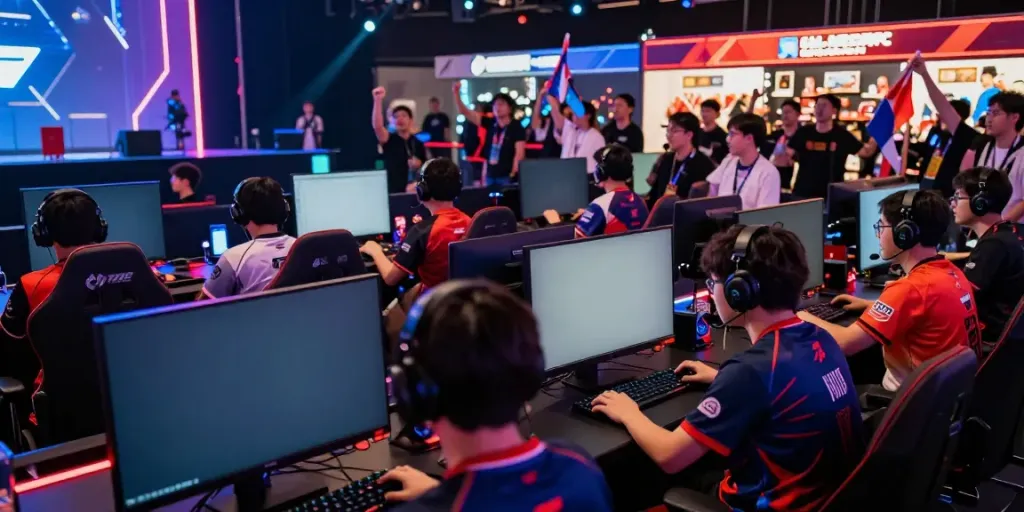
Understanding the Evolution of Online Gaming in Asia
The history of online gaming in Asia is a fascinating journey marked by technological advancements, cultural shifts, and the rise of a billion-dollar industry. From the early days of computer gaming to the current dominance of mobile platforms, this evolution reveals much about changing consumer preferences and technological capabilities. Platforms like rokok88 play a crucial role in this landscape, providing insights and facilitating access to various gaming experiences.
Early Days of Computer Gaming
The seeds of the gaming industry in Asia were sown in the late 1970s and early 1980s with the introduction of personal computers. Games such as "Space Invaders" and "Pac-Man" gained immense popularity, primarily in East Asian countries like Japan and South Korea, where gaming culture began to flourish. Early computer games were often played in home settings, but as the demand grew, the need for more social and immersive experiences became apparent.
The Rise of Internet Cafés
By the late 1990s, internet cafés emerged as the cornerstone of social gaming in Asia, particularly in countries like South Korea and China. These cafés provided gamers with the ability to play multiplayer formats, leading to the birth of competitive gaming and esports. The introduction of titles such as "StarCraft" revolutionized the industry, creating a new wave of professional gamers and tournaments. This era not only shaped gaming as a competitive sport but also fostered a community around shared experiences and interactions.
Impact of Cultural Factors on Gaming Trends
Cultural influences significantly shaped gaming preferences in Asia. For example, in Japan, the integration of rich storytelling and quirky visuals in games like "Final Fantasy" spoke to cultural narratives, while in China, traditional themes combined with modern gameplay often resonated with local players. These cultural intersections fueled diverse gaming landscapes, leading to the creation of unique titles tailored for regional tastes.
Mobile Gaming: A Revolutionary Shift
As technology advanced, the gaming industry witnessed a monumental shift from traditional platforms to mobile devices. The move to mobile gaming was not just a trend; it revolutionized how games are developed, marketed, and played.
Transition from PC to Mobile Platforms
The introduction of smartphones and tablets transformed the gaming landscape. With the increasing accessibility of high-speed internet and mobile devices, games adjusted their mechanics to cater to a mobile audience. Titles like "Clash of Clans" and "Honor of Kings" set record-breaking numbers in downloads and revenue, highlighting the potential of mobile platforms to host engaging gaming experiences.
Popular Mobile Games in 2026
As we look towards 2026, several mobile games are set to dominate the market. Titles such as "PUBG Mobile," "Genshin Impact," and localized games that incorporate regional culture and narratives are expected to lead the pack. Innovations in AR and VR will likely create immersive gaming environments that simulate real-world experiences, thus enhancing player interaction.
Technology's Role in Mobile Gaming Growth
Advancements in technology have played an integral role in the growth of mobile gaming. With improvements in graphics processing and internet speeds, mobile games can now rival their console counterparts. The integration of AI and machine learning in game design allows for more personalized user experiences, which can significantly enhance engagement and retention rates.
Key Players in the Asian Gaming Industry
As the gaming industry in Asia expands, it's essential to recognize the influential entities shaping this dynamic landscape.
Top Game Developers and Publishers
Leading developers such as Tencent, NetEase, and Bandai Namco have made substantial contributions to both mobile and PC gaming. Their dominance stems not only from their extensive game catalogs but also from their ability to adapt to changing market conditions and player preferences.
Emerging Startups to Watch
In addition to established giants, a surge of startups is emerging, eager to make their mark. Companies focused on niche gaming experiences, such as indie developers emphasizing cultural narratives or unique gameplay mechanics, are gaining traction and attracting investor interest. This diversity is crucial for innovation and the ongoing evolution of the gaming scene.
Collaborations and Partnerships in Gaming
Strategic partnerships between developers, publishers, and tech companies are becoming prevalent. Collaborations often involve cross-platform play and the sharing of technology resources, which can optimize the game development process and enhance the overall player experience.
Challenges Facing the Gaming Industry
Despite its rapid growth, the Asian gaming industry faces several challenges that could hinder its future prospects.
Regulatory Issues and Compliance
Regulation surrounding online gaming varies significantly across different regions, leading to complex compliance requirements. Issues such as gambling laws, age restrictions, and content regulations can create barriers for both developers and players. Navigating these legal landscapes requires a thorough understanding and strategy.
Managing Player Expectations and Experiences
As player expectations evolve, developers must continually innovate to meet these demands. The rise of esports and competitive gaming has introduced a new layer of complexity, where maintaining community satisfaction is critical. Developers must focus on creating balanced gameplay experiences while engaging with their user base effectively.
Maintaining Game Security and Integrity
With the increasing prevalence of hacking and cheating, ensuring game security has become paramount. Developers are tasked with not only delivering high-quality gaming experiences but also protecting their communities from toxic behavior and external threats. Implementing robust security measures is essential for sustaining player trust and loyalty.
The Future of Gaming: Trends and Predictions for 2026
The future of gaming is poised to be influenced by emerging technologies and shifting player behaviors.
Technological Innovations Shaping Gaming
Technological advancements such as 5G connectivity, cloud gaming, and augmented reality (AR) are expected to reshape the gaming landscape dramatically. These innovations will allow for seamless gameplay experiences and foster new opportunities for game design and player engagement.
The Influence of AI in Game Development
Artificial intelligence is set to play a pivotal role in future game development. From personalized gaming experiences to creating adaptable in-game environments, AI will enhance engagement and facilitate unique gaming experiences tailored to individual player preferences.
Future Trends in Player Engagement and Retention
As the industry evolves, player retention strategies will likely focus on community-building and ongoing content delivery. Gamification elements and loyalty rewards programs can foster long-term engagement, ensuring that players remain invested in their favorite titles.
What is rokok88 and its impact on gaming?
By offering insights into the gaming industry and facilitating access to diverse gaming experiences, platforms like rokok88 have played an impactful role in connecting gamers with the latest trends and titles.
How has mobile gaming changed in Asia?
Mobile gaming has broadened the accessibility of gaming in Asia, moving from niche markets to mainstream acceptance and transforming how games are developed and consumed.
Who are the biggest players in the Asian gaming industry?
Some of the major players include Tencent, Bandai Namco, and Sony, each contributing significantly to the industry through innovative games and platforms.
What challenges does the gaming industry face today?
Challenges include regulatory compliance, maintaining game integrity, and effectively managing player expectations in an ever-evolving landscape.
What can we expect from gaming in 2026?
2026 is expected to witness technological advancements reshaping gameplay, increased AI integration in game design, and a greater emphasis on community-focused gaming experiences.